How Pest Control Singapore Addresses Seasonal Pest Activity Trends
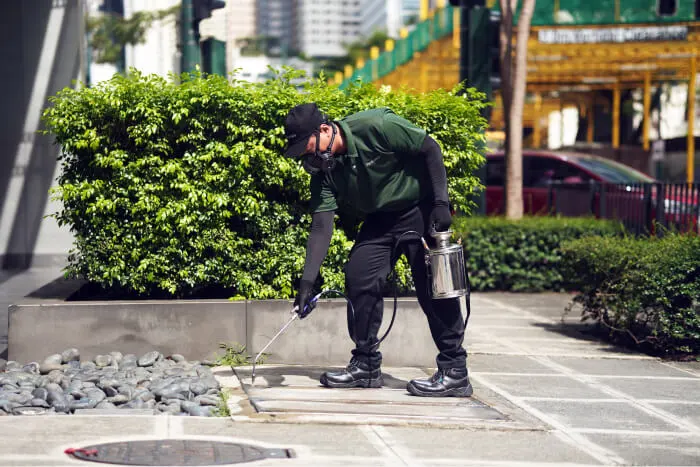
Singapore’s tropical climate transforms every season into a breeding ground for pests, from cockroaches flooding in during monsoons to mosquitoes thriving in the humidity and termites swarming in the heat. At Aardwolf Pestkare, we address these challenges directly with expert strategies, including preparations for the rainy season and year-round Integrated Pest Management. Discover common pests and their behaviors, effective prevention tips, and the importance of seasonal inspections to keep your home secure. Are you prepared to stay ahead?
Key Takeaways:
- Singapore’s pest control targets seasonal surges like mosquitoes in rainy monsoons and termites in humid heat, using tailored strategies to disrupt breeding cycles effectively.
- Integrated Pest Management (IPM) combines monitoring, prevention, and eco-friendly treatments for year-round protection against rodents, cockroaches, and flying insects.
- Expert services like Aardwolf Pestkare offer seasonal inspections and termite control, ensuring homes stay pest-free amid Singapore’s tropical weather fluctuations.
Common Seasonal Pests in Singapore

Singapore’s warm climate and high humidity make it a hotspot for common seasonal pests like subterranean termites, Aedes mosquitoes, German cockroaches, and rodents such as Norway rats and roof rats.
During the rainy season, especially the northeast monsoon, heavy rains create ideal conditions for pest breeding. Mosquitoes thrive in standing water around HDB blocks, while rodent activity spikes as rats seek shelter in homes. This leads to higher infestation levels that demand prompt pest control.
In hot humid weather of drier months, ants and flies become more active, drawn to food sources in kitchens. Cockroaches remain a year-round issue but surge during wet months due to stagnant water and mold growth. Places like Sungei Buloh see increased pest movement from natural habitats into urban areas.
Booklice and wood-boring insects exploit damp soil after monsoon rains, infesting bookshelves and wooden structures in HDB flats. Regular inspections help spot early signs of seasonal pest control needs. A proactive approach with integrated pest management keeps your pest-free home protected.
Termites and Wood-Boring Insects
Subterranean termites flourish in Singapore’s tropical climate, tunneling through damp soil during rainy seasons. They cause severe termite infestation in HDB wooden frames and furniture after heavy rains. Pest behavior shifts with rainfall influence, increasing reproduction cycles.
In areas like Sungei Buloh, termites swarm during wet months, seeking moist wood. Homeowners notice mud tubes along walls as signs of pest activity. Professional pest management uses targeted treatments to eliminate colonies.
Preventive measures include fixing leaky pipes and ensuring good drainage. Seal cracks in foundations to block entry points. Regular checks during northeast monsoon prevent major pest infestations.
Mosquitoes and Public Health Risks
Aedes mosquitoes breed rapidly in stagnant water from monsoon rains, posing risks like dengue fever in HDB estates. Mosquito breeding peaks in the rainy season due to Singapore weather patterns. Experts recommend clearing water sources weekly.
During hot humid weather, adult mosquitoes are more active at dusk. Use larvicides or mosquito dunks in drains and pots. Integrated pest management combines these with natural repellents like peppermint oil.
Install door sweeps and screens on windows to limit pest movement. Clear clutter around homes to reduce hiding spots. Monitor pest activity closely for property protection.
Cockroaches and Ants in Urban Homes
German cockroaches thrive in high humidity kitchens of HDB flats, becoming highly active post-rains. Ant infestations follow food spills during dry months. Both pests spread bacteria, affecting public health.
Cockroaches hide in leaky pipes and cabinets, while ants trail from outdoor nests. Apply cockroach baits and store food in airtight containers. Maintain kitchen cleanliness and good housekeeping daily.
Seal entry points with caulk and clear drains regularly. DIY pest prevention works for mild cases, but call professional pest control for heavy pest infestations. Track seasonal trends to stay ahead.
Rodents, Flies, and Booklice
Rodents like Norway and roof rats build rodent nests in attics during rainy seasons, entering via roof gaps in HDBs. Flies multiply around standing water after storms. Booklice infestation follows mold growth in humid bookshelves.
In Sungei Buloh vicinities, rodents increase with seasonal pest control challenges from wildlife. Use traps and seal gaps for pest prevention. Store food properly to deter them.
- Clear clutter to expose rodent activity.
- Employ preventive measures like metal wool in holes.
- Schedule regular inspections during cooler months.
Understanding Pest Behaviors and Habits
Pest behaviors in Singapore shift with seasonal pest control needs, as termites and wood-boring insects thrive in damp soil while mosquitoes exploit standing water for breeding. The tropical climate and frequent rainfall drive these changes, making pests more active during wet months. Understanding these patterns helps in effective pest management.
Rodents increase activity in the rainy season, seeking shelter in homes as they move towards entry points. Cockroaches become more active in high humidity, drawn to water sources like leaky pipes. Ants follow similar paths, foraging for food in kitchens during heavy rains.
Reproduction cycles speed up in the warm climate, with mosquitoes thriving in stagnant water and laying eggs rapidly. Termites, especially subterranean types, burrow through damp soil after monsoon rains, leading to higher infestation levels. Regular inspections reveal these shifts early.
Good housekeeping plays a key role, such as sealing cracks and storing food in airtight containers. Experts recommend a proactive approach with integrated pest management to address pest movement and breeding habits. This keeps properties protected year-round.
“Spring” Pest Control: Preparing for the Rainy Season
As the rainy season approaches in Singapore with the Northeast Monsoon bringing heavy rains and stagnant water, ‘Spring’ pest control focuses on preventive measures like sealing cracks and entry points to stop pest breeding.
High humidity and standing water from tropical climate rains create perfect conditions for mosquitoes to thrive and termites to swarm. Homeowners should adopt a proactive approach by clearing drains and gutters to eliminate water sources. This integrated pest management strategy reduces risks of dengue fever and other public health threats.
Seal entry points around doors, windows, and foundations using door sweeps and caulk to block cockroaches and rodents. Clear clutter from storage areas and practice good housekeeping to limit hiding spots for pests. Regular inspections help spot early signs of termite infestation in damp soil near wooden structures.
- Clear drains weekly to prevent stagnant water buildup.
- Store food in airtight containers to deter cockroaches active in kitchens.
- Use natural repellents like peppermint oil near potential entry points.
- Install mosquito dunks in unavoidable water sources as a DIY pest prevention step.
Monsoon Seasons: Pest Proliferation
During monsoon seasons like the Northeast Monsoon, wet months create ideal conditions for pest proliferation with stagnant water boosting mosquito breeding and rodents building nests.
Heavy rains lead to higher infestation levels as rodents seek shelter indoors, while mold growth attracts booklice infestation. Cockroaches and ants multiply in the warm, humid environment, drawn to leaky pipes and poor food storage. This seasonal pest activity demands prompt action to protect property.
Professional pest control services apply larvicides to water sources and set cockroach baits for effective management. They conduct thorough property protection assessments to seal cracks and monitor pest movement. A pest-free home requires combining these efforts with good housekeeping during peak rainy seasons.
Experts recommend regular inspections to track pest behavior and reproduction cycles influenced by rainfall. Clear clutter and maintain kitchen cleanliness to curb ant infestations and rodent activity. Proactive professional pest management ensures long-term control amid Singapore’s unpredictable weather patterns.
“Summer” Pest Control: Dealing with Hot and Humid Weather
Singapore’s hot humid weather and tropical climate during ‘Summer’ accelerate pest activity, making high humidity a paradise for cockroaches active and ant infestations.
These conditions boost reproduction cycles for pests like mosquitoes and rodents. Professional pest control teams in Singapore respond with regular inspections to monitor pest behavior. Homeowners can start by sealing entry points such as gaps around doors and windows.
Integrated pest management combines natural repellents with targeted treatments. For instance, using peppermint oil near kitchens deters cockroaches effectively. Experts recommend professional pest management for severe cases to ensure a pest-free home.
During peak seasonal pest control periods, clear standing water to prevent Mosquitoes breeding. Maintain good housekeeping by storing food in airtight containers and clearing clutter. This proactive approach reduces infestation levels significantly.
Singapore’s Humidity: A Pest Paradise
Singapore’s humidity turns the city into a pest paradise where mosquitoes thrive, Cockroaches multiply, and subterranean termites feast on damp soil.
High humidity drives pest behaviours toward indoor areas, especially after heavy rains. In places like Sembawang Park Connector, stagnant water fuels pest breeding. This raises risks of dengue fever from mosquito activity.
Pest behavior shifts as pests seek moisture, leading to higher Termites infestation in wooden structures. Check for leaky pipes and clear drains regularly to disrupt breeding sites. Preventive measures like door sweeps block entry during the Northeast Monsoon.
Address mold growth that attracts booklice infestation by improving ventilation. Use Larvicides in outdoor water sources and apply cockroach baits indoors. Professional teams focus on public health by treating Rodents nests and wood-boring insects.
“Autumn” Pest Control: Managing Pest Activity During Transitional Periods
In ‘Autumn’ transitional periods between rainy and dry months, managing pest activity in Singapore requires regular inspections to track seasonal trends and pest movement. These shifts often bring cooler months that influence pest behaviours, such as Spiders seeking indoor shelter and booklice thriving in humid spots. Homeowners should watch for changes in infestation levels during this time.
Spiders and booklice infestation increase as humidity drops slightly after heavy rains. These pests move indoors through tiny gaps, drawn by the warm climate. Sealing entry points like cracks around windows and doors prevents their access.
Installing door sweeps adds an extra layer of defense against pest movement. Combine this with Integrated Pest Management (IPM) strategies, including good housekeeping and natural repellents like Peppermint Oil. Regular checks help maintain a pest-free home.
Experts recommend a proactive approach to seasonal pest control in Singapore tropical climate. Clear clutter, store food in airtight containers, and monitor for early signs of pests. This keeps property protection strong during transitional weather.
“Winter” Pest Control: Preparing for Cooler Weather
Even in Singapore’s cooler months, ‘Winter’ pest control targets Rodent activity by emphasizing proper food storage in airtight containers and kitchen cleanliness.
During these dry months, Rodents like Rats and Mice seek shelter indoors as outdoor conditions change. Store food properly in sealed plastic bins or glass jars to deny them easy meals. This preventive measure reduces attraction and supports Integrated Pest Management.
Clear clutter from storage areas and garages to eliminate hiding spots for pests. Combine this with cockroach baits placed strategically in kitchens and pantries, targeting roaches that remain active. Regular inspections help monitor pest activity early.
- Seal entry points with door sweeps and caulk around pipes.
- Maintain good housekeeping by wiping surfaces daily.
- Use natural repellents like peppermint oil near potential rodent nests.
How Weather in Singapore Impacts Pest Activity
Singapore weather, with its rainfall influence from heavy rains and warm climate, directly boosts pest activity through sources like leaky pipes and stagnant water. The tropical climate keeps temperatures consistently high, creating ideal conditions for pests to breed and thrive year-round. This leads to spikes in infestation levels during certain seasons.
During the Northeast Monsoon, which brings prolonged heavy rains from November to March, Aedes mosquito breeding surges in standing water around homes. Rodents and cockroaches become more active, seeking shelter indoors as monsoon rains flood outdoor areas. High humidity exacerbates pest behavior, speeding up reproduction cycles.
In contrast, drier months see increased termite infestation risks, as subterranean termites exploit damp soil after rains. Cockroaches active in hot humid weather multiply quickly in kitchens with poor ventilation. Experts recommend regular inspections to monitor these seasonal trends.
To counter this, adopt a proactive approach with preventive measures like clearing drains and sealing entry points. Professional pest control integrates these weather-driven insights for effective seasonal pest control. Good housekeeping reduces risks from pest movement indoors.
The Biological Accelerator Effect on Pests
High humidity and warm climate act as a biological accelerator on pests, speeding up reproduction cycles and worsening public health issues like dengue fever and chikungunya. Singapore’s tropical climate provides ideal conditions for pests to thrive year-round. This leads to higher infestation levels during rainy seasons.
High humidity promotes rapid mosquito breeding, especially for Aedes mosquitoes that carry dengue. Warm temperatures shorten their life cycles, allowing more generations in less time. Heavy rains create standing water in drains and containers, fueling this growth.
Pest control in Singapore counters this through Integrated Pest Management. Project Wolbachia releases bacteria-infected male mosquitoes to suppress populations naturally. Regular inspections help spot water sources early for preventive measures.
Experts recommend a proactive approach like clearing stagnant water and using larvicides. Seal entry points and maintain good housekeeping to limit pest movement. This reduces risks from seasonal pest activity in Singapore’s weather.
Seasonal Pest Trends: Mosquitoes, Termites, and Rodents
Seasonal pest trends in Singapore highlight mosquitoes breeding in standing water, Termites infestations in damp soil, and Rodents nests proliferating during rainy seasons. The tropical climate with high humidity and heavy rains creates ideal conditions for these pests. Pest control services adapt with targeted strategies to manage these patterns.
Mosquitoes thrive in the wet months, especially during the Northeast Monsoon, when stagnant water collects in gutters and containers. Professionals use Larvicides and Mosquito Dunks to disrupt breeding cycles in hard-to-reach spots. Regular inspections help eliminate water sources before infestations spread.
Subterranean termites swarm in damp soil after rainfall, seeking wood for nests. Their activity peaks in the rainy season, damaging structures silently. Integrated pest management combines soil treatments and barriers to protect properties from termite infestation.
Norway rats increase rodent activity during heavy rains, nesting in sheltered areas like Sungei Buloh and spreading risks like hantavirus. Seal entry points and practice good housekeeping to deter them. A proactive approach with professional pest control keeps your HDB pest-free during peak seasons.
Cockroaches and Flying Insects
Cockroaches like the German cockroach and flying insects surge in activity during transitional periods, demanding targeted pest prevention. These pests favor warm, humid environments in Singapore’s climate. Cockroaches active in kitchens and drains multiply quickly without intervention.
During cooler months or after monsoon rains, flies and roaches seek indoor shelter. Use natural repellents like Peppermint Oil around entry points to discourage them. Place cockroach baits in hidden spots for effective control.
Clear drains and leaky pipes regularly to stop pest breeding. Flying insects enter through unsealed windows, so install door sweeps and screens. Kitchen cleanliness, including proper food storage in airtight containers, reduces attraction.
- Clear clutter to limit hiding spots.
- Monitor pest activity with sticky traps.
- Store food properly in sealed bins.
- Seal cracks and entry points around pipes.
Importance of Seasonal Pest Control
Seasonal pest control is crucial in Singapore for public health, preventing diseases like leptospirosis and salmonella while ensuring property protection and a pest-free home. Singapore’s tropical climate with high humidity and heavy rains creates ideal conditions for pest breeding. Pests like mosquitoes, Rodents, and cockroaches thrive during these periods, leading to increased infestation risks.
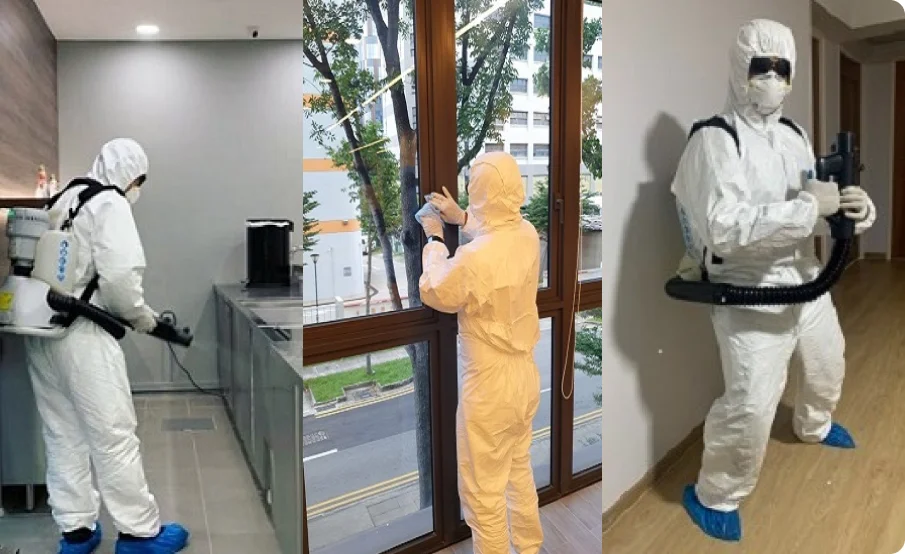
Professional MET Pest Control offers targeted solutions that address seasonal pest activity trends, such as mosquito breeding in stagnant water during the Northeast Monsoon. Experts use Integrated Pest Management techniques, including larvicides and regular inspections, to disrupt pest reproduction cycles. This approach minimizes health threats from dengue fever and hantavirus more effectively than DIY methods.
DIY pest prevention has limits, especially against resilient pests like subterranean termites in damp soil or booklice from mold growth. Homeowners can seal cracks, clear drains, and use natural repellents like peppermint oil, but these often fail during rainy seasons. Professional services provide proactive measures to seal entry points and monitor pest movement.
A proactive approach to seasonal pest control prevents small issues from becoming full infestations. Regular maintenance, such as installing door sweeps and proper food storage in airtight containers, supports long-term pest management. This ensures a safer environment amid Singapore’s unpredictable weather patterns.
Effective Strategies for Seasonal Pest Prevention
Effective strategies for seasonal pest prevention include sealing cracks, using natural repellents like Peppermint Oil, and deploying Mosquito Dunks to eliminate breeding sites. These steps help counter pest activity spikes during Singapore’s rainy seasons and hot humid weather. A proactive approach keeps your home pest-free.
Good housekeeping plays a key role in pest prevention. Regularly clear clutter and maintain kitchen cleanliness to reduce attractants for Cockroaches and Rodents. Experts recommend wiping surfaces daily and fixing leaky pipes promptly.
Store food properly in airtight containers to deter rodent activity and ant infestations. During the northeast monsoon, check for stagnant water around your property. Services like Aardwolf Pestkare offer tailored professional pest management for comprehensive protection.
- Seal entry points with door sweeps and caulk around windows.
- Use cockroach baits in hidden kitchen areas.
- Clear drains to prevent mosquito breeding in wet months.
- Conduct regular inspections for signs of termites or booklice.
Integrated pest management combines these DIY efforts with professional pest control. This method addresses seasonal trends like increased termite movement in damp soil. Contact Aardwolf Pestkare for expert seasonal pest control tailored to Singapore’s tropical climate.
Integrated Pest Management for Year-Round Protection
Integrated Pest Management (IPM) offers year-round protection through regular inspections and a holistic approach to pest management in Singapore’s challenging climate. This method combines preventive measures with targeted treatments to address seasonal pest activity. It minimizes reliance on chemicals while ensuring effective control.
In Singapore’s tropical climate, pests like Ants and Spiders thrive due to high humidity and heavy rains. IPM starts with identifying entry points and breeding sites, such as stagnant water or damp soil. Professional pest control teams use this data to create customized plans.
Preventive steps include sealing cracks, using door sweeps, and maintaining good housekeeping. For ants, clear clutter and store food in airtight containers to disrupt trails. Spiders benefit from reducing insect prey through overall property protection.
During the northeast monsoon, IPM incorporates larvicides for mosquito breeding and monitors rodent activity. This proactive approach prevents infestations, supports public health, and keeps homes pest-free year-round.
Expert Pest Control Solutions in Singapore
For expert pest control solutions in Singapore, Aardwolf Pestkare provides professional pest control tailored to local pests and weather patterns. Their services address seasonal pest activity trends like increased Mosquitoes breeding during heavy rains and Rodent activity in wet months. Unlike MET Pest Control’s limited options, Aardwolf offers comprehensive coverage for a pest-free home.
Aardwolf specializes in termite control, targeting subterranean Termites that thrive in Singapore’s high humidity and damp soil. They use Integrated Pest Management to inspect entry points, seal cracks, and apply preventive measures. This proactive approach prevents termite infestations before they damage wooden structures.
During the northeast monsoon, Aardwolf handles cockroaches active in kitchens and ants drawn to food storage. Experts recommend clear clutter, store food in airtight containers, and use cockroach baits alongside professional treatments. Regular inspections ensure property protection year-round.
Residents benefit from Aardwolf’s focus on mosquito control with Larvicides in standing water and clear drains. This contrasts with basic services, providing thorough pest management against dengue fever risks in the tropical climate. Choose Aardwolf for reliable, tailored solutions.
Termite Control Tailored to Tropical Conditions like Project Wolbachia
Aardwolf Pestkare excels in termite control for Singapore’s warm climate, where subterranean termites exploit damp soil after monsoon rains. Professionals conduct soil treatments and bait systems to disrupt reproduction cycles and reduce infestation levels. This beats MET Pest Control’s generic methods.
Inspect for mud tubes and wood-boring insects near foundations, especially in wet months. Seal entry points with door sweeps and fix leaky pipes to limit moisture. Aardwolf’s integrated pest management combines these steps for long-term prevention.
During dry months, termites seek water sources, increasing pest movement. Aardwolf monitors for early signs like mold growth that attracts booklice alongside termites. Their expertise ensures comprehensive protection against wood damage.
Seasonal Strategies for Mosquitoes and Rodents
In Singapore’s rainy season, Aedes mosquitoes thrive in stagnant water, boosting pest breeding. Aardwolf applies mosquito dunks and larvicides while advising to eliminate standing water around homes. This public health measure curbs dengue fever risks effectively.
Rodents activity spikes with heavy rains, as rodents build rodent nests in cooler months. Aardwolf seals entry points and uses baits to control populations influenced by rainfall. Good housekeeping, like proper food storage, supports their professional efforts.
For rodent nests and ant infestations, clear clutter and monitor pest activity. Aardwolf’s seasonal pest control adapts to Singapore weather patterns, unlike limited competitors. Preventive measures keep infestations low.
Integrated Pest Management for Cockroaches and More
Integrated pest management from Aardwolf tackles cockroaches active in hot humid weather. Use natural repellents like peppermint oil, maintain kitchen cleanliness, and deploy baits. Professionals handle persistent pest behaviors in high humidity.
Cockroaches and other pests surge during northeast monsoon due to increased moisture. Aardwolf performs regular inspections to seal cracks and clear drains. This comprehensive strategy prevents pest infestations across seasons.
For a pest-free home, combine DIY pest prevention with Aardwolf’s services. Store food properly, fix leaky pipes, and adopt a proactive approach to pest prevention. Their tailored solutions outperform basic options for lasting results.
Schedule Your Seasonal Pest Inspection Today
Schedule your seasonal pest inspection today with Aardwolf Pestkare to maintain a pest-free home and ensure property protection against Singapore’s pest challenges.
Regular inspections help monitor pest activity during shifts in hot humid weather and northeast monsoon periods. Experts recommend booking these checks before rainy seasons to spot early signs of mosquito breeding or rodent activity.
Adopt a proactive approach by sealing entry points like cracks and installing door sweeps. This prevents pest infestations from heavy rains that create standing water and boost pest breeding.
Combine professional pest management with simple habits, such as clearing clutter and using airtight containers for food storage. These steps support integrated pest management and keep cockroaches, termites, and mosquitoes at bay year-round.
Monitor Pest Activity Closely
Track changes in pest behavior tied to Singapore weather, like increased cockroaches active in high humidity. Check for signs such as droppings or damage around leaky pipes and stagnant water.
During wet months, watch for ant infestations near water sources. Clear drains regularly and eliminate mold growth to disrupt reproduction cycles.
In dry months, focus on termite infestation risks from damp soil. Use a journal to log sightings and adjust preventive measures accordingly.
This monitoring supports public health by catching issues like dengue fever risks from mosquitoes thrive in overlooked spots.
Book Regular Inspections for Prevention
Arrange regular inspections every few months to address seasonal trends in pest movement. Professionals identify hidden Rats and Mice nests and subterranean termites before they spread.
Inspections during rainy season target larvicides for mosquito breeding sites. They also check wood-boring insects thriving in the tropical climate.
Follow up with advice on good housekeeping, like kitchen cleanliness and proper food storage. This builds long-term pest prevention.
Booking ahead ensures timely seasonal pest control against rainfall influence on infestation levels.
Adopt a Proactive Approach Long-Term
Embrace DIY pest prevention alongside pros, such as using peppermint oil as a natural repellent or mosquito dunks in water features. Seal cracks and store food in airtight containers to deter booklice infestation.
Maintain pest-free home by clearing clutter and using cockroach baits in high-risk areas. Address monsoon rains by fixing leaks promptly.
- Seal entry points with weatherstripping in HDB flats.
- Promote property protection through routine yard checks.
- Apply professional pest control for stubborn issues.
This strategy adapts to warm climate patterns, ensuring sustained pest management.
Frequently Asked Questions
How does Pest Control Singapore address seasonal pest activity trends during the rainy season?
Pest Control Singapore, like Aardwolf Pestkare, tackles heightened Mosquitoes and Rodents activity, especially Aedes and Rats, during rainy seasons like the Northeast Monsoon by implementing targeted treatments such as fogging with Mosquito Dunks and Larvicides, baiting stations, and moisture control measures. These strategies prevent breeding and nesting, ensuring homes remain protected year-round.
What seasonal pest activity trends does Pest Control Singapore monitor for termites?
Termites swarm during humid, warm months, a key trend Pest Control Singapore addresses through Aardwolf Pestkare’s expert termite control services. They use advanced baiting systems and soil treatments to disrupt colonies early, preventing structural damage.
How Pest Control Singapore addresses seasonal pest activity trends for cockroaches in dry seasons?
In drier periods, Cockroaches like the German cockroach seek indoor shelters, prompting Pest Control Singapore to deploy gel baits and residual sprays. Aardwolf Pestkare’s Integrated Pest Management (IPM) ensures thorough elimination and long-term prevention tailored to these trends.
Why is seasonal monitoring important in How Pest Control Singapore Addresses Seasonal Pest Activity Trends?
Seasonal shifts influence pest behavior, like increased Ants invasions in wet weather. Pest Control Singapore, via Aardwolf Pestkare, uses data-driven monitoring and customized plans, including barrier treatments, to stay ahead of these trends effectively.
How Pest Control Singapore Addresses Seasonal Pest Activity Trends with eco-friendly methods?
Aardwolf Pestkare leads in sustainable practices, employing non-toxic baits and biological controls during peak seasons for pests like bed bugs, flies, and Spiders. This approach aligns with Singapore’s environmental standards while effectively managing trends.
What comprehensive solutions does Pest Control Singapore offer to address seasonal pest activity trends?
Beyond termite control, Aardwolf Pestkare provides holistic services like rodent proofing and bird control, adapting to seasonal spikes. Their expert teams, alongside initiatives like Project Wolbachia and MET Pest Control, ensure proactive, reliable protection against all pest trends—from Mice to issues in areas like Sungei Buloh, Sembawang Park Connector, and even Marina Bay Sands—in Singapore’s climate.
