Pond Experts Explain Why Your Pond Turns Green And How To Fix It Gently
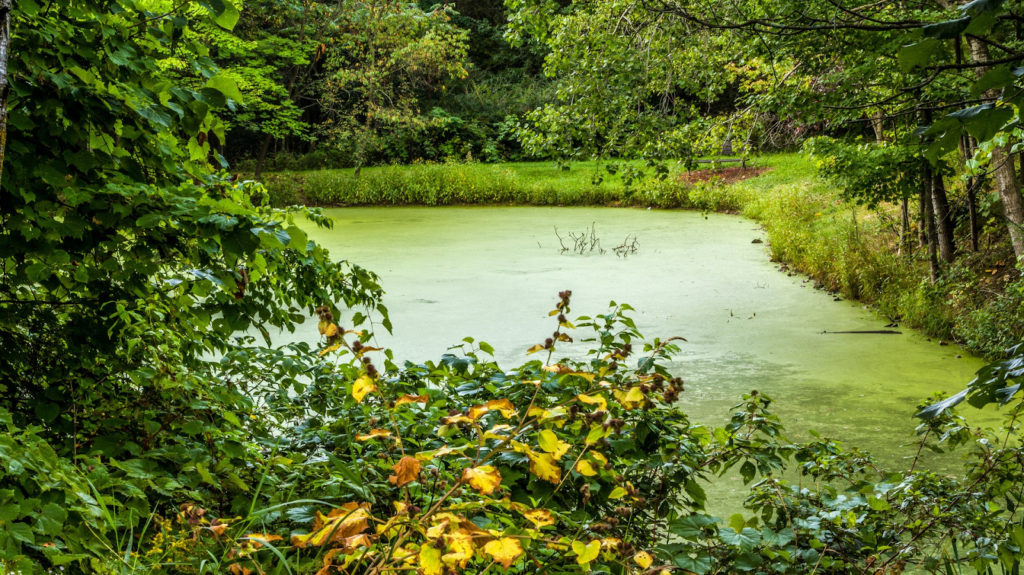
A pond can look clear and still be unhealthy. The surface may shine in the sun, yet beneath it, waste can break down into toxins that stress fish and feed algae. A truly clean pond is not just about appearance. It is about water that stays stable, supports healthy bacteria, smells fresh, and gives fish the conditions they need to thrive.
This is where modern filtration changes everything. The right system removes solids early, supports biological balance, and reduces the weekly chores that pond owners often accept as normal. Pond experts focus on building a pond environment that runs smoothly on its own, with simple checks instead of constant rescue work.
What Clean Pond Water Really Means
Water clarity is only one part of cleanliness. Many ponds look fine until fish start flashing, water smells earthy, or algae blooms appear overnight.
Pond experts usually define clean pond water by five outcomes.
- Solid waste is removed before it breaks down
- Ammonia and nitrite stay near zero through stable biological filtration
- Oxygen remains high enough for fish and beneficial bacteria
- Water flow prevents dead zones where sludge settles
- The system stays consistent even during heat, storms, and heavy feeding
When these outcomes are met, the pond becomes easier to manage and more enjoyable to live with.
The hidden difference between clear and clean
Clear water can still carry dissolved toxins. Fish waste and decaying debris release ammonia. Ammonia can quickly stress koi and goldfish, especially in warm water. If a pond lacks strong biological filtration, ammonia turns into nitrite and then nitrate slowly and unevenly. The result is a pond that looks okay today and turns unstable tomorrow.
Pond experts treat water clarity as a result, not a goal. The goal is a stable ecosystem. Clarity follows.
Why Ponds Get Dirty Even When Owners Work Hard
Many pond owners do regular netting, partial water changes, and filter rinsing, yet the pond still struggles. The usual causes are predictable.
Common reasons a pond stays high maintenance
- Waste is not captured early enough and it breaks down in the pond
- Filtration capacity is too small for the fish load
- Flow is weak, so debris settles on the bottom
- The pond receives too much sun without shade or UV support
- The system traps debris in sponges or mats that clog quickly
- Cleaning routines disturb beneficial bacteria repeatedly
Pond experts solve these issues by designing a filtration path that separates solids first, then handles dissolved waste through stable biological media.
The Modern Filtration Idea That Saves Time
The biggest maintenance shift in recent years has been the rise of compact systems that combine precise mechanical removal with high capacity biological treatment. Instead of relying on manual cleaning of pads and foam, many advanced filters automate the dirty part.
At the center of many premium builds is a rotating drum filter or a similar self cleaning pre filter concept. Its job is simple. Capture fine solids before they dissolve, then clean itself without you pulling out media by hand.
How automated mechanical filtration works
Dirty pond water enters a chamber where fine screens catch solids such as fish waste, algae clumps, and bits of plant matter. As the screens load up, sensors detect reduced flow or a rising water level. The system then triggers a rinse cycle. Jets spray the screen surface, flushing trapped debris to a waste outlet. Cleaned screens return to normal flow, often within seconds.
The benefit is straightforward. Solids leave the system quickly, instead of dissolving into the pond and feeding algae.
Pond experts like this approach because it changes the whole maintenance rhythm. Instead of heavy weekly cleaning, you do light checks while the system does the repetitive work.
Mechanical and Biological Filtration: What Each Stage Does Best
A clean pond depends on both stages working together. Mechanical filtration removes particles. Biological filtration removes dissolved toxins by supporting nitrifying bacteria.
Mechanical filtration in simple terms
Mechanical filtration targets what you can see.
- Leaves and floating debris
- Uneaten food
- Fish waste particles
- Fine suspended material that clouds water
When mechanical filtration is strong, less sludge forms on the bottom, and biological media stays cleaner and more effective.
Biological filtration in practical terms
Biological filtration targets what you cannot see.
- Ammonia from fish waste
- Nitrite produced during nitrification
- Dissolved organic compounds that affect smell and clarity
Biological chambers use media with high surface area so bacteria can colonize and stay stable. This bacteria converts ammonia to nitrite and then to nitrate. Nitrate is less toxic, but it still needs management through plants, water changes, or export methods.
Pond experts usually prioritize biological stability over aggressive cleaning. When bacteria colonies are protected, water quality becomes predictable.
A Quick Reference Table for Cleaner Water Decisions
| Pond condition | Likely cause | What pond experts check first | Practical improvement |
| Water turns green fast | Sunlight plus excess nutrients | Feeding level, filtration capacity, UV support | Add or size UV properly, improve solid removal, increase shade |
| Water looks clear but fish act stressed | Ammonia or nitrite spikes | Water tests, bio media maturity, flow consistency | Improve biological stage, avoid overcleaning, increase aeration |
| Bad smell near pond edge | Waste trapped in dead zones | Circulation pattern, bottom debris, skimmer performance | Adjust returns, add bottom cleanup strategy, remove sludge source |
| Filter clogs every few days | Mechanical stage too small | Pre filter design, screen size, flow rate | Upgrade pre filtration, reduce clogging media, improve waste export |
| Sludge builds on bottom | Flow is weak or uneven | Turnover rate, return placement | Increase circulation, redirect returns, improve bottom collection |
Flow, Oxygen, and Turnover: The Trio That Keeps Ponds Stable
Even the best filter struggles if water does not reach it. Flow is what delivers waste to the filter and delivers oxygen to fish and bacteria.
Turnover rate that pond experts commonly target
Many pond experts aim for the pond volume to pass through the filtration system about once every one to two hours for koi heavy ponds. Lighter stocked ponds can run slower, but slow turnover often increases sludge and algae pressure.
Sizing guide table for planning
| Pond type | Typical turnover target | Notes |
| Koi focused pond | About once every 1 to 2 hours | Higher waste load, prioritize solids capture |
| Mixed pond with fewer fish | About once every 2 to 3 hours | Stability is easier if fish load stays modest |
| Display pond with high feeding | About once every 1 hour | Strong pre filtration and oxygen are critical |
| Plant heavy pond | About once every 2 hours | Balance flow with plant zones and calm areas |
Aeration that supports filtration performance
Beneficial bacteria consume oxygen. Koi also need oxygen, especially in warm months. Aeration is not optional in most koi ponds. It can come from air stones, waterfalls, moving bed chambers, or surface agitation.
Pond experts often view oxygen as an insurance policy. When oxygen stays high, fish handle heat better and bio filtration stays active.
UV Clarifiers: When They Help and When They Do Not
UV clarifiers are effective against green water caused by suspended algae. They do not remove leaves, they do not remove sludge, and they do not replace biological filtration. They are one tool in a complete system.
When UV is worth adding
- The pond receives strong sunlight for many hours
- You feed koi heavily during warm months
- You want clear viewing water for display
- You get seasonal algae blooms despite good mechanical filtration
Pond experts often pair UV with strong pre filtration so algae has fewer nutrients to feed on, which keeps UV performance consistent.
Smarter Monitoring That Reduces Worry
Many modern filtration setups offer basic control panels or digital monitoring. The goal is not complexity. The goal is early warning.
What monitoring actually helps with
- Detecting abnormal water levels inside the filter
- Alerting you if a rinse cycle is running too often
- Notifying you about pump interruptions
- Helping you track routine service intervals
For pond owners who travel or manage larger water features, this can be a major quality of life upgrade. Pond experts often recommend monitoring for ponds with high value fish collections, where early detection prevents losses.
Modular Systems That Grow With Your Pond
Ponds evolve. Fish grow, feeding increases, and owners add features such as streams or additional returns. A modular filtration approach lets you expand without rebuilding everything.
Common modular upgrades pond experts plan for
- Expanding biological chamber volume
- Adding UV capacity
- Adding a secondary mechanical stage for extreme loads
- Adjusting for gravity fed or pump fed layouts
- Adding extra aeration capacity
This flexibility is especially helpful if you plan to start small and scale up.
Energy Use and Long Term Cost
A filter that saves time but doubles electricity cost is not a win. Efficient systems balance performance with smart power use.
Pond experts typically focus on these efficiency moves.
- Use a properly sized pump rather than an oversized one throttled back
- Reduce friction losses through cleaner plumbing layouts
- Keep mechanical stages from clogging, since clogging increases pump strain
- Use sensors and efficient motors where automation is involved
Over a year, small efficiency choices often matter more than owners expect.
Durability and Materials That Matter Outdoors
Pond equipment lives in harsh conditions. Sun, rain, heat, and freezing nights can crack weak housings and degrade fittings.
Pond experts tend to look for corrosion resistant materials, solid seals, and easy access for routine checks. A good filter is not only about performance on day one. It is about performance after years of weather and continuous operation.
Small build details that increase reliability
- A protected equipment area with ventilation and shade
- A waste line that drains safely and does not clog
- Valves placed for simple isolation and service
- Easy access to screens, sensors, and media chambers
These details reduce emergency failures and make routine care less stressful.
Why Fish Health Improves When Filtration Improves
Koi are hardy, but they react quickly to unstable water. Poor filtration leads to ammonia stress, gill irritation, parasite vulnerability, and reduced appetite. Better filtration reduces stress, and stress reduction is one of the strongest predictors of long term koi health.
Pond experts often see the same pattern. When solid waste is removed early and biological filtration stays stable, koi color improves, feeding becomes consistent, and disease events decrease.
Deeper insight: clean water supports natural behavior
In stable water, koi behave differently. They cruise calmly, feed confidently, and interact at the surface without signs of irritation. The pond becomes quieter in the best way. Clear water is not only about looks. It changes how life in the pond functions.
A Practical Installation Checklist for Cleaner Water
Before upgrading filtration, pond experts typically recommend confirming the basics.
- Know your pond volume as accurately as possible
- Estimate your fish load today and six months from now
- Decide if your system will be pump fed or gravity fed
- Plan a safe route for the waste discharge
- Confirm electrical safety with proper outdoor rated protection
- Ensure the equipment area is accessible for service
- Test water regularly during the first weeks after changes
These steps keep upgrades smooth and prevent mismatched sizing.
Conclusion
A cleaner pond without extra work is not a myth. It is the result of a filtration strategy that removes solids early, supports stable biological bacteria, and keeps water moving with adequate oxygen. Automated mechanical stages reduce the chores that most pond owners dislike, while strong biological media protects fish from invisible toxins. Add thoughtful flow design, sensible UV use when needed, and basic monitoring, and the pond becomes easier to own and more rewarding to enjoy.
If you want results that last across seasons and feeding changes, pond experts focus on systems, not quick fixes. When the system is right, clear water becomes the natural outcome.
Frequently Asked Questions
Do automated filters make a pond completely maintenance free
No pond is fully maintenance free, but automation can reduce the most time consuming tasks. You still need periodic checks, water testing, and seasonal cleanup.
Can a small pond benefit from advanced filtration
Yes, but it depends on goals and budget. If the pond has koi or heavy feeding, stronger filtration can stabilize water quickly. For very small ponds with few fish, simpler systems may be more cost effective.
How often will a drum style filter clean itself
It depends on fish load, debris levels, and season. In heavy feeding periods it may rinse multiple times per day. The purpose is to export solids quickly so they do not dissolve in the pond.
Do I still need a UV clarifier if mechanical filtration is strong
Sometimes yes. Mechanical filtration reduces nutrient load, but suspended algae can still bloom under strong sun. UV is most helpful when green water is the main issue.
What is the biggest mistake pond owners make when chasing clear water
Overcleaning biological media. When beneficial bacteria are repeatedly disrupted, ammonia and nitrite swings become more likely. Pond experts usually recommend gentle cleaning routines that protect bacterial colonies.
