History of football: A Global Journey Through the Ages
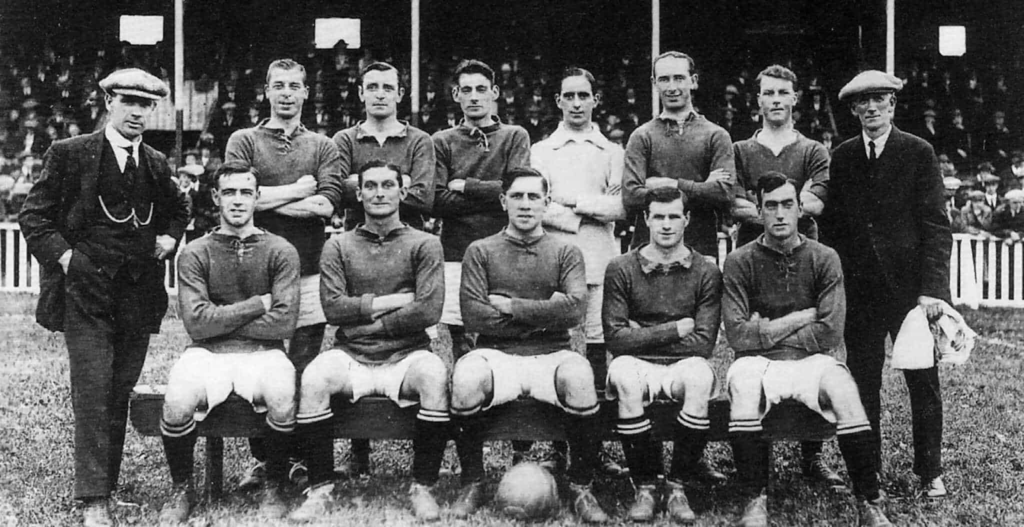
The following is a summary of information from Xoilac TV https://www.barpleiades.com/ about the history of football. From the dusty pitches of ancient civilizations to the grand, high-tech stadiums of the modern era, the beautiful game has undergone a remarkable transformation. This evolution reflects the cultural shifts and technological advancements of society. In this guide, we will explore the pivotal moments and legendary milestones that shaped the world’s most popular sport.
History of football: A Global Journey Through the Ages
The Formative Years in the History of football
While many associate the sport strictly with England, the earliest roots of kicking a ball for recreation can be traced back over two thousand years. To truly understand the history of football, one must look at ancient China’s “Cuju,” a military exercise involving kicking a leather ball through a small net. Similar games appeared in ancient Greece and Rome, where “Harpastum” involved intense physical play. These early iterations laid the groundwork for a sport that prioritized foot-eye coordination and teamwork, long before standardized rules existed.
During the Middle Ages, “folk football” became a popular, albeit chaotic, tradition in the British Isles. These matches often involved entire villages competing to move an inflated bladder to a specific landmark. There were very few rules, and the games were frequently violent, leading several monarchs to attempt to ban the sport entirely. Despite these legal challenges, the passion for the game persisted among the common people, ensuring that the foundational spirit of the sport survived through the centuries.
Ancient Ball Games and Cultural Roots
The diversity of early ball games is a testament to the universal appeal of the sport. In Mesoamerica, indigenous populations played games with rubber balls that held deep religious significance. However, the specific history of football as we recognize it today began to solidify in the public schools of 19th-century England. Each school had its own set of rules; some allowed the use of hands, while others strictly forbade it. This lack of uniformity made inter-school competitions difficult and created a pressing need for a universal set of regulations.
The Industrial Revolution and Standardized Rules
The turning point occurred in 1863 when representatives from several football clubs met at the Freemasons’ Tavern in London to form the Football Association (FA). This meeting is arguably the most significant event in the history of football, as it led to the creation of the “Laws of the Game.” The most notable decision was the prohibition of carrying the ball with hands, which officially separated football from rugby. This standardization allowed the sport to spread rapidly across the United Kingdom and eventually to the rest of the world via trade routes and British influence.
The Rise of International Competitions and FIFA
As the 19th century drew to a close, the sport began to transcend national borders. The first international match took place in 1872 between Scotland and England, sparking a global interest in competitive play. To manage this growing international presence, the Fédération Internationale de Football Association (FIFA) was founded in 1904. This governing body was instrumental in organizing the first FIFA World Cup in 1930, an event that changed the history of football forever by creating a global stage for national pride and athletic excellence.
Read more on Xoilac TV https://www.barpleiades.com/lich-thi-dau/
The World Cup transformed players into international icons and stadiums into cathedrals of sport. Legends like Pelé, Diego Maradona, and Johan Cruyff became household names, showcasing the artistic and tactical potential of the game. The expansion of the tournament allowed nations from South America, Europe, and eventually Africa and Asia to compete at the highest level, making the sport a truly inclusive global phenomenon that unites billions of people every four years.
The Modern Era: Technology and Global Influence
In the 21st century, the sport has entered an era of unprecedented technological integration and commercial growth. The history of football now includes the introduction of Goal-Line Technology and the Video Assistant Referee (VAR), aiming to ensure fairness in a game played at a lightning-fast pace. Modern stadiums are architectural marvels, equipped with hybrid grass pitches and sustainable energy systems, providing fans with a premium experience while maintaining the integrity of the sport.
Conclusion
In conclusion, the history of football is a vibrant tapestry of human culture, resilience, and evolution. From its humble beginnings as an ancient military drill to its current status as the world’s most-watched sport, football has consistently adapted to the changing times. The journey from the chaotic village matches of medieval England to the polished, professional spectacles of today highlights our innate love for competition and community.