Chinese Food

Chinese food in Singapore is a vibrant and integral part of the culinary landscape, reflecting the rich heritage of Chinese immigrants who have settled in the city-state over centuries. Influenced by various regional cuisines of China, including Cantonese, Hokkien, Teochew, Hakka, and more, Singaporean Chinese cuisine offers a diverse array of flavors, ingredients, and cooking techniques. Here’s a comprehensive description:

  1. Diverse Regional Influences: Chinese cuisine in Singapore encompasses a wide range of regional styles, each with its own distinctive characteristics. For example, Cantonese cuisine is known for its delicate flavors and emphasis on fresh ingredients, while Hokkien cuisine tends to be heartier and features seafood prominently.
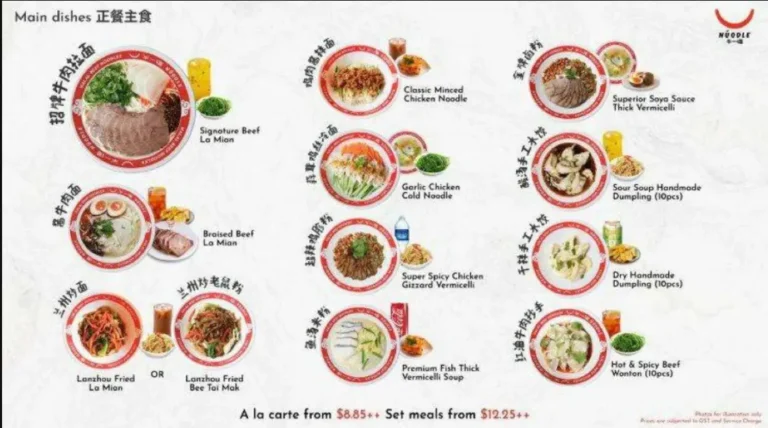
  2. Hawker Centers and Street Food: Much of the best Chinese food in Singapore can be found at hawker centers and street food stalls. These bustling culinary hubs offer an array of affordable and delicious dishes, from Hokkien mee (stir-fried noodles) and char kway teow (stir-fried rice cake strips) to Hainanese chicken rice and bak kut teh (pork rib soup).
  3. Signature Dishes: Singaporean Chinese cuisine boasts several iconic dishes that have become synonymous with the local food culture. Some of these include:
    • Hainanese Chicken Rice: Poached chicken served with fragrant rice cooked in chicken stock, accompanied by chili sauce and ginger paste.
    • Char Kway Teow: Stir-fried flat rice noodles with eggs, Chinese sausage, cockles, bean sprouts, and chives, seasoned with soy sauce and chili paste.
    • Bak Kut Teh: Pork rib soup simmered with garlic, pepper, herbs, and spices, served with rice or youtiao (fried dough sticks).
    • Chilli Crab: Mud crab cooked in a savory, slightly sweet tomato and chili-based sauce, often served with mantou (steamed buns) for dipping.
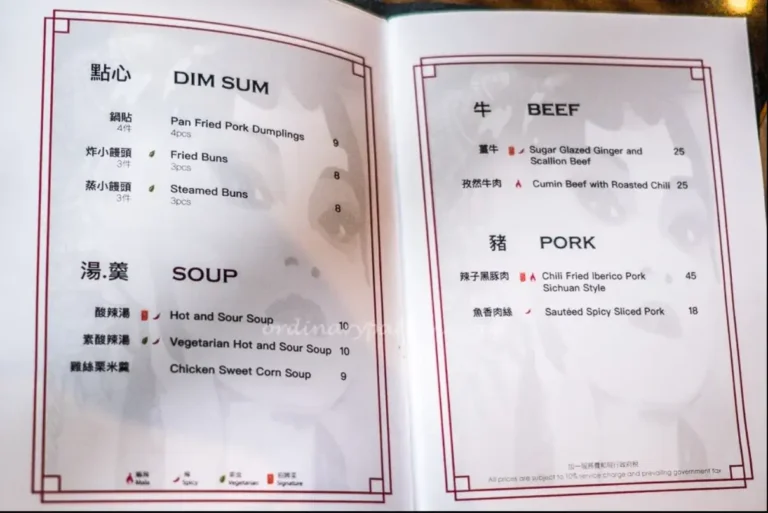
    • Dim Sum: Bite-sized portions of various dishes such as dumplings, buns, and rolls, typically served in bamboo steamers.
  4. Seafood Specialties: Given Singapore’s coastal location, seafood plays a prominent role in Chinese cuisine here. Fresh fish, crabs, prawns, and shellfish are prepared in a variety of ways, including steamed, stir-fried, or cooked in rich sauces.
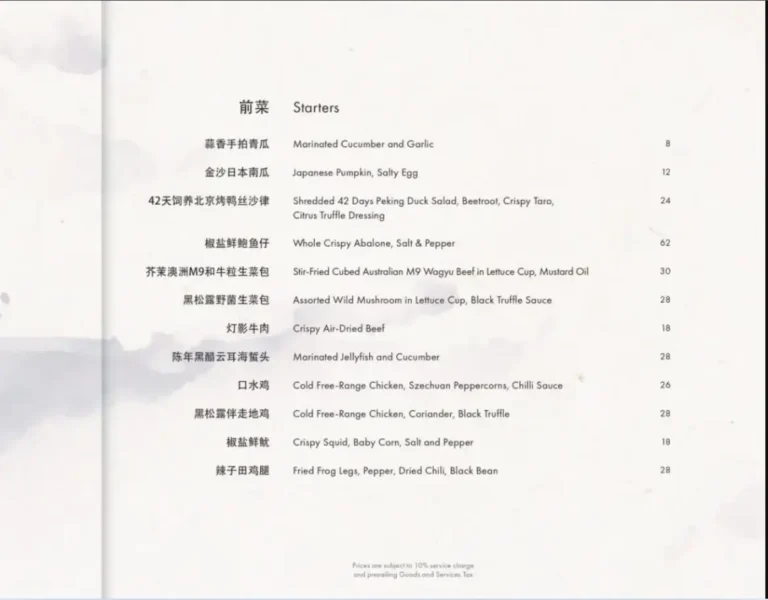
  5. Fine Dining Restaurants: In addition to casual eateries, Singapore also boasts upscale Chinese restaurants that offer refined dining experiences. These establishments often serve Cantonese or Szechuan cuisine and are known for their elegant ambiance, impeccable service, and creative culinary presentations.
  6. Innovation and Fusion: Singapore’s food scene is dynamic and constantly evolving, with chefs putting their own creative twists on traditional Chinese dishes. Fusion cuisine, blending Chinese flavors with elements from other culinary traditions, is particularly popular, resulting in innovative and exciting new dishes.
  7. Cultural Significance: Chinese food in Singapore is not just about nourishment; it’s deeply intertwined with cultural traditions and celebrations. From elaborate banquet dinners during weddings and festivals to simple family meals shared during Chinese New Year, food plays a central role in bringing people together and strengthening bonds.